The Truth About Copier Leases: Debunking Common Myths
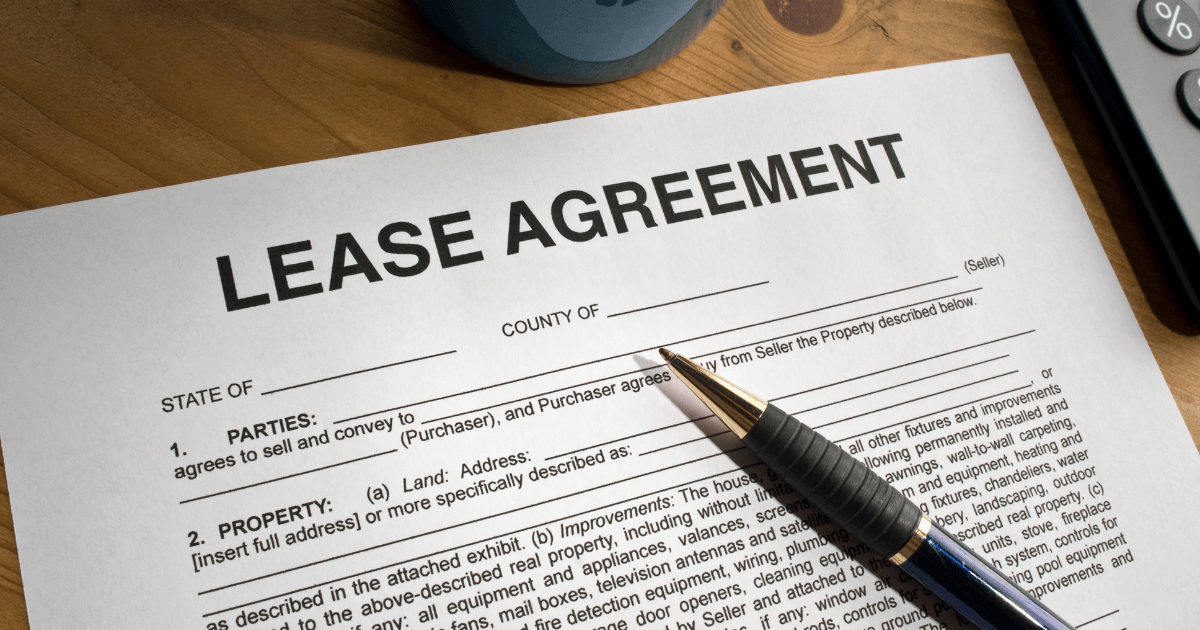
When it comes to leasing a copier for your business, there's a lot of information out there. Unfortunately, not all of it is accurate. Many buyers...
5 min read
.png)
Investing in new office copiers and printers isn't just about replacing aging equipment. It's a financial decision that can affect cash flow, productivity, technology strategy and operating costs for years to come.
If you're comparing buying vs. leasing a copier, you're already asking the right question. The challenge is knowing which option aligns with your business goals.
Leasing often makes sense for organizations that want predictable monthly expenses, access to the latest technology and bundled service. Buying may be a better investment for businesses with stable printing needs and the capital to purchase equipment outright.
There isn't a universal answer, but there is a best answer for your business.
This guide walks through the factors that matter most so you can make an informed decision with confidence.
| Consideration | Leasing | Buying |
| Upfront investment | Low | Higher |
| Monthly payments | Yes | No |
| Ownership | No | Yes |
| Technology upgrades | Easier | Purchase new equipment |
| Maintenance | Often included | Separate service agreement |
| Long-term cost | Usually higher | Often lower over time |
| Budget predictability | Excellent | Varies |
| Best for | Growing businesses | Long-term ownership |
While this comparison provides a useful starting point, the best decision depends on how your business operates.
Instead of asking whether to lease or buy, ask these questions first.
The longer you plan to use the equipment, the more purchasing begins to make financial sense.
Businesses that regularly replace office technology every four or five years often benefit from leasing because upgrading is straightforward. Organizations that expect to keep the same copier for seven years or longer frequently see a better return from ownership.
Every business has competing priorities.
Would you rather invest several thousand dollars into equipment today or preserve that capital for hiring, inventory, marketing or expansion?
For many growing businesses, preserving cash flow creates more opportunities than owning office equipment outright.
Growth changes everything.
If you're adding employees, opening new locations or expecting higher print volumes over the next few years, leasing offers greater flexibility. Upgrading to a larger or more capable device is often much easier than replacing owned equipment before you've fully recovered your investment.
On the other hand, businesses with predictable monthly print volumes often benefit from purchasing because their equipment needs remain consistent.
Today's multifunction printers and copiers do much more than print.
These systems include:
If staying current with these capabilities matters to your business, leasing often provides a simpler upgrade path.
Buying the copier is only part of the equation.
Every business should consider:
Many lease agreements include ongoing copier service and support, helping businesses minimize unexpected repair expenses and reduce disruptions to daily operations.
Leasing isn't simply about lower monthly payments. It's about flexibility.
A copier lease may be the better choice if your business:
For many small and midsize businesses, these advantages outweigh the fact that leasing generally costs more over the life of the agreement.
The value comes from improved cash flow, reduced risk and easier technology planning.
Ownership makes sense when stability matters more than flexibility.
Buying may be the better option if your business:
Although the upfront investment is higher, many businesses spend less overall when they keep the equipment well beyond the lease term.
One of the biggest mistakes businesses make is comparing only the monthly lease payment to the purchase price.
Instead, evaluate the total cost of ownership.
That includes:
A copier that costs less upfront can become far more expensive if repairs are frequent or service is slow.
Likewise, paying more for a reliable machine with responsive local support may save thousands over its lifespan through increased productivity and reduced downtime.
Not every lease works the same way.
An FMV lease typically offers lower monthly payments because you're paying for the equipment's expected depreciation rather than its full purchase price.
At the end of the lease, you can usually:
Businesses that prefer staying current with technology often choose this option.
A $1 buyout lease functions much like financing.
Monthly payments are generally higher than an FMV lease, but ownership transfers to your business for a nominal amount, often just one dollar, once the agreement ends.
This option appeals to organizations that know they'll keep the equipment for many years.
Choosing the wrong copier isn't usually the result of buying the wrong brand. It's often the result of asking the wrong questions.
Some of the most common mistakes include:
The least expensive option isn't always the most economical over five or seven years.
Businesses often purchase equipment based on today's needs rather than next year's workload.
Fast response times, preventive maintenance and knowledgeable technicians can have a greater impact on productivity than small differences in equipment pricing.
Before signing any lease, understand:
Knowing these details upfront helps avoid surprises later.
Before purchasing or leasing a copier, ask your provider:
A reputable provider should be able to answer every one of these questions clearly.

Q: Is it cheaper to lease or buy a copier?
A: Leasing usually requires less money upfront and offers predictable monthly payments. Buying often results in lower overall cost if you plan to keep your copier for many years.
Q: Does leasing include maintenance?
A: Most commercial copier leases include maintenance, repairs and technical support. Coverage varies by provider, so always review the agreement before signing.
Q: Can I buy my copier when the lease ends?
A: Many leases include a purchase option, although the terms depend on the lease structure.
Q: How long does a commercial copier typically last?
A: With proper maintenance, many commercial copiers remain productive for seven to ten years or longer. But just because the device still works doesn't mean it will be supported, as many devices are discontinued within five to seven years and parts eventually become unavailable.
Q: Which option is better for a small business?
A: Many small businesses choose leasing because it preserves working capital and simplifies budgeting. Businesses with stable print demands and available capital often benefit from purchasing.
Q: What's the difference between an FMV lease and a $1 buyout lease?
A: An FMV lease is designed for businesses that expect to upgrade equipment regularly, while a $1 buyout lease is intended for organizations that ultimately want ownership.
Q: Is a copier lease tax deductible?
A: Many businesses may be able to deduct lease payments as an operating expense, while purchased copiers may qualify for depreciation or other tax benefits. Because tax rules vary, consult your accountant or tax advisor for guidance specific to your business.
Q: What happens at the end of a copier lease?
A: Depending on your lease agreement, you may be able to return the copier, renew the lease, upgrade to newer equipment or purchase the copier. Understanding your end-of-lease options before signing can help you avoid unexpected costs.
Q: Can I upgrade my copier during the lease?
A: Many leasing agreements allow businesses to upgrade if their printing needs change. This flexibility is one of the biggest advantages of leasing, especially for growing organizations.
Every business prints differently.
The right copier depends on your monthly print volume, document workflows, growth plans, security requirements, budget and long-term goals. That's why choosing between leasing and buying should never be based on price alone.
At Fraser, we help businesses evaluate their current environment before recommending a solution. By understanding how your team works today and where your business is headed tomorrow, we can recommend equipment and financing options that support both your operations and your budget.
Whether you're replacing an aging copier, opening a new office or planning for future growth, our specialists can help you compare leasing and purchasing options with confidence.
Schedule a free office technology assessment today and discover which copier solution is the best fit for your business.
When it comes to leasing a copier for your business, there's a lot of information out there. Unfortunately, not all of it is accurate. Many buyers...

Introduction As an IT manager, you're responsible for making critical decisions about your business's technology infrastructure. One of those...